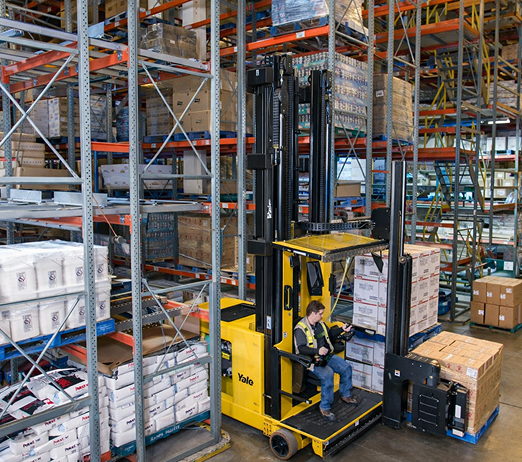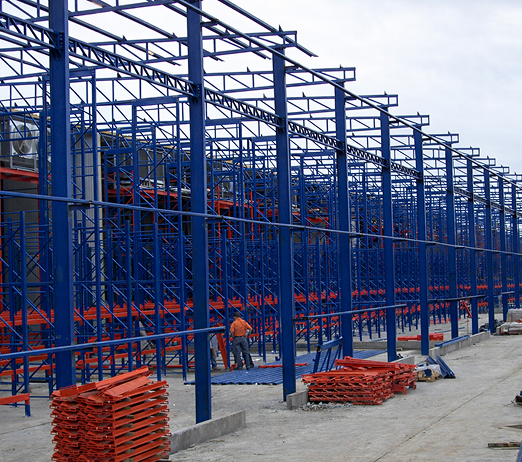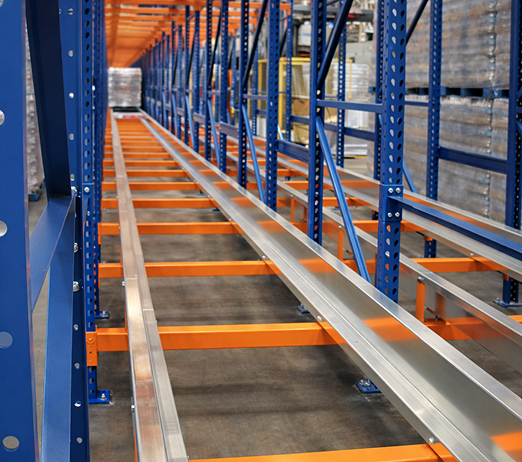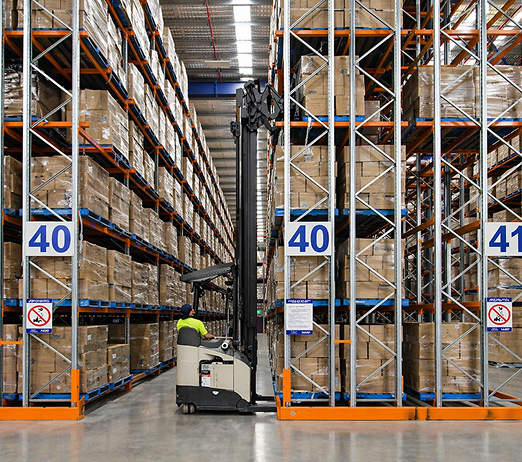
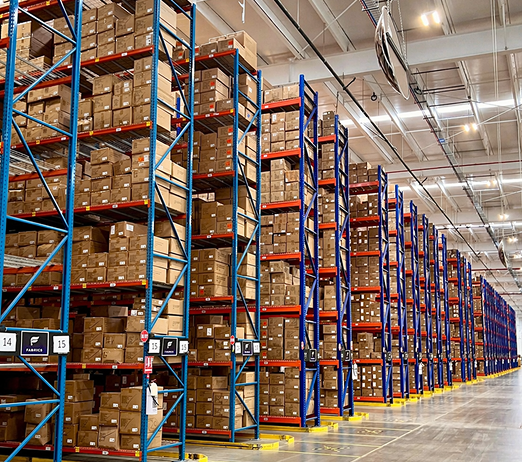
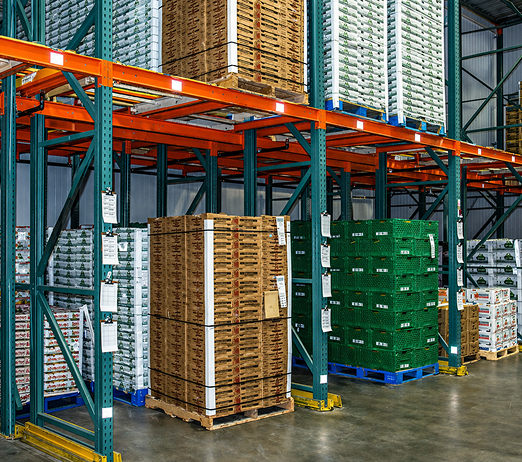
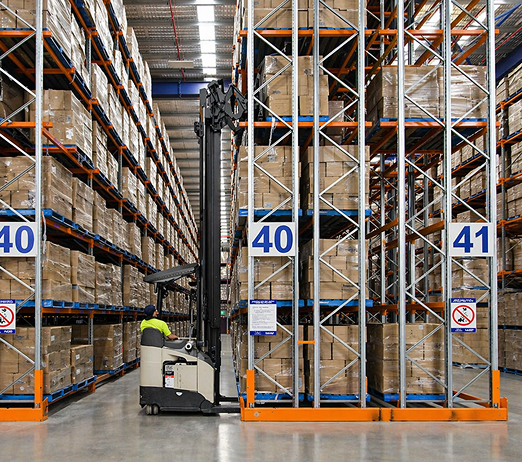
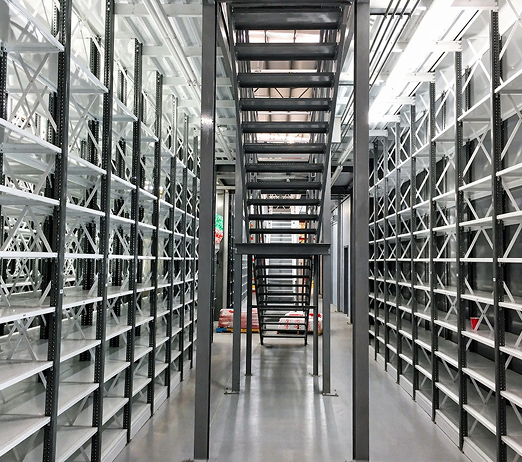
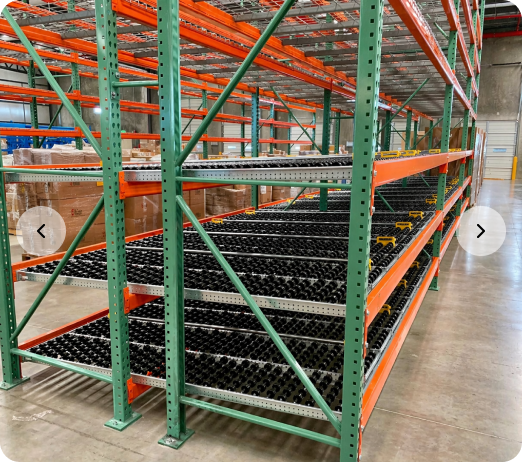
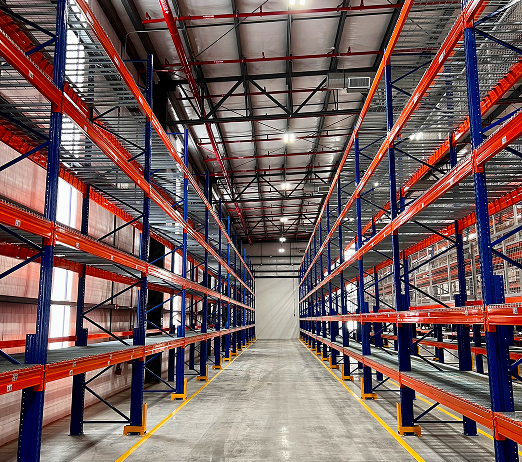
We design tailored solutions to maximize your warehouse space, improve material flow, and increase operational efficiency.
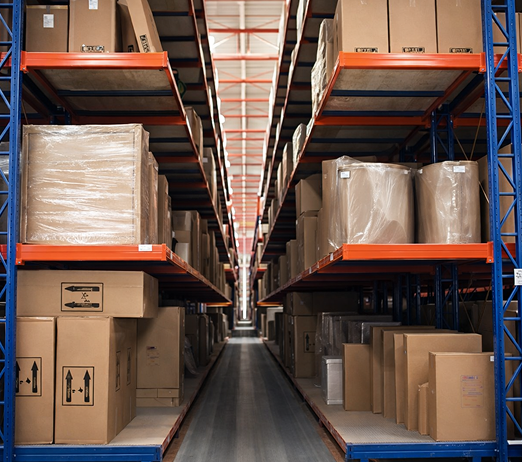
Conventional storage systems offer solutions for full pallets, partial pallets, and individual cartons. The choice of system typically depends on the number of SKUs, batch size, inventory turnover or daily demand, available warehouse space, and, of course, the investment budget.
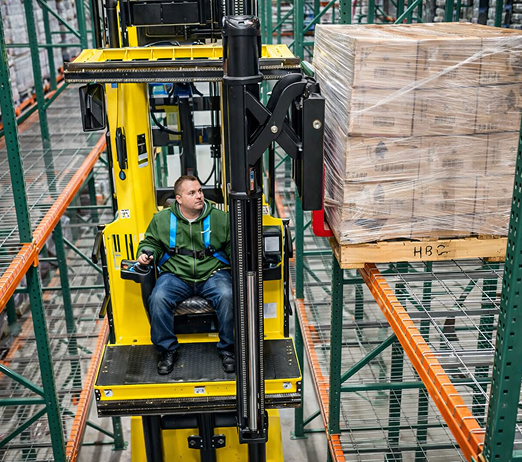
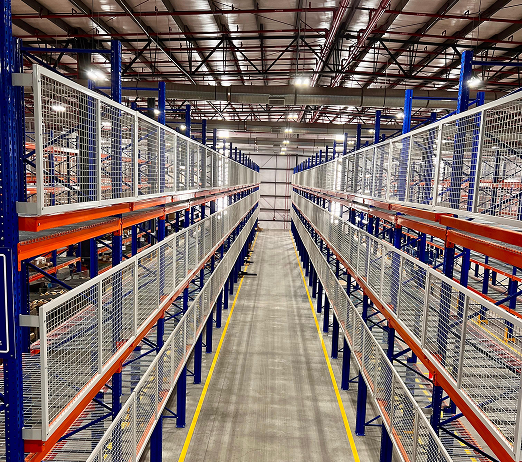
When large quantities of products need to be stored, vertical space can be used to make the most of the available cubic capacity. In some cases, automation can also play an important role when time is critical.
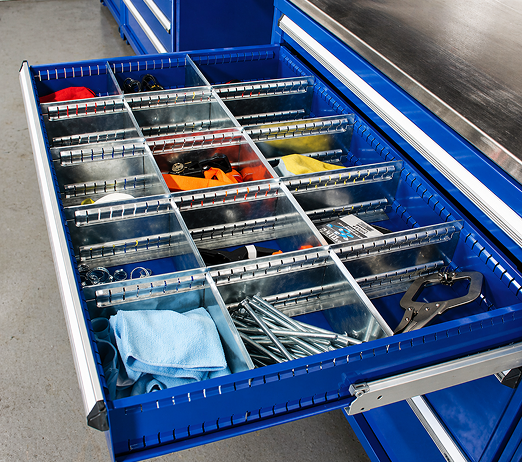
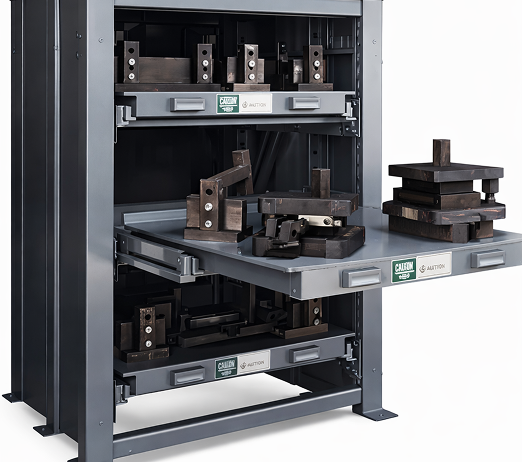
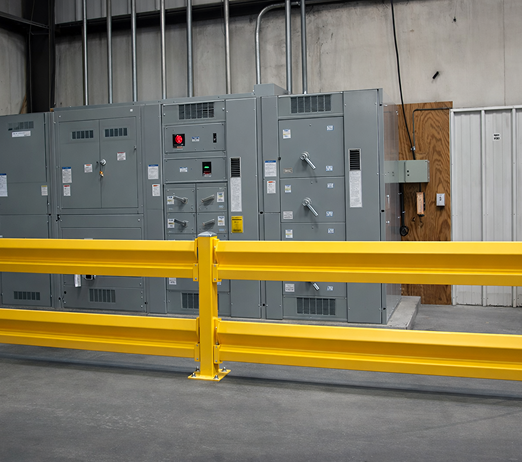
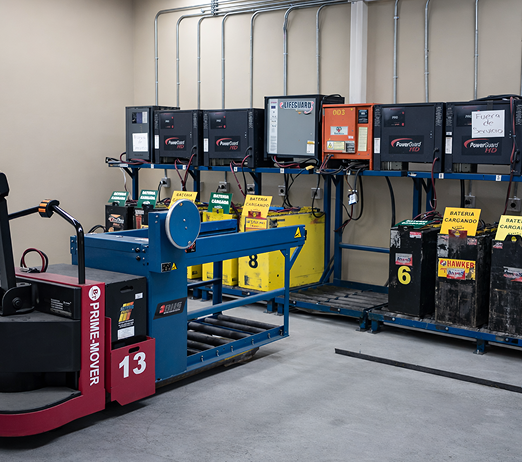
Racking is commonly used to meet specific business needs. These applications include racks for batteries, furniture, barrels, and even molds used in plastics manufacturing. Material handling also involves implementing measures to improve workplace hygiene and safety.
Choose the option that best fits your operational needs
Ideal for operations with a wide variety of products.
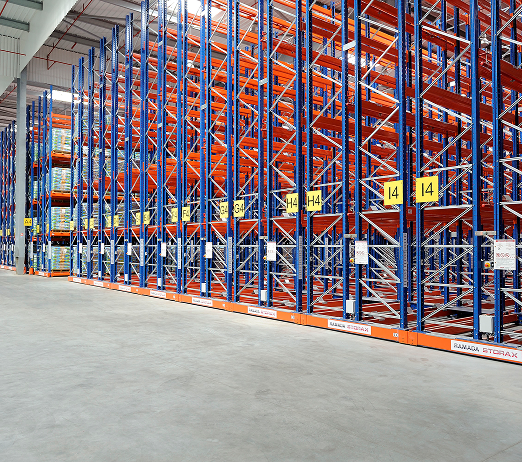
Ideal for maximizing available space.
Ideal for nonstandard products or loads.
Our specialists will help you find the right solution for your space, products, and operational workflow.
Tell us what you need, and one of our specialists will contact you to develop a tailored solution.
Our engineering and project team will review your request.
Receive initial guidance and a sales follow-up in less than 48 hours.
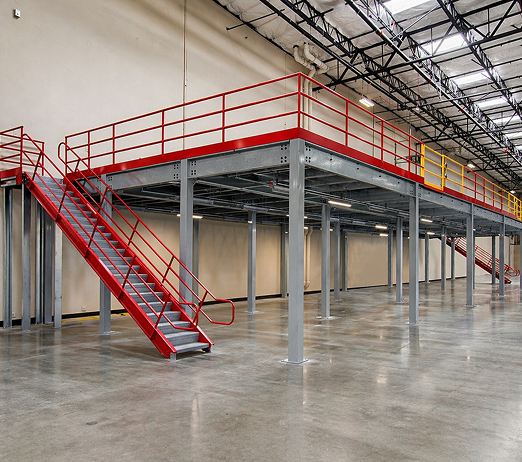
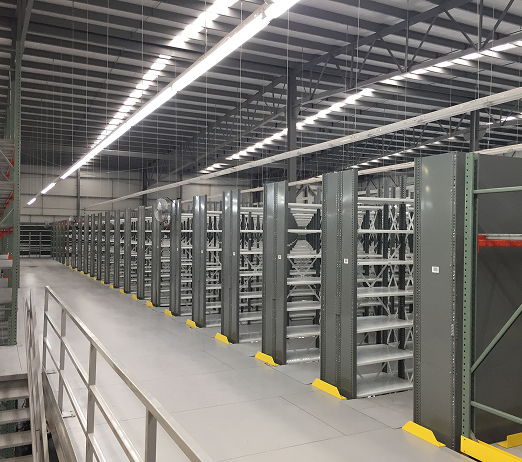
We offer solutions such as selective pallet racking, pallet flow racking, drive-in racking, push-back racking, carton flow, mezzanines, industrial shelving, specialized structures, and systems tailored to each operation.
It depends on the product type, weight, dimensions, inventory turnover, inventory volume, available space, forklift type, and operational workflow. At LT Group, we analyze your operation to recommend the most efficient solution.
A well-designed system helps make better use of space, improve inventory control, streamline operations, reduce search times, increase safety, and improve warehouse productivity.
Yes. We develop custom projects that account for layout, required capacity, load type, daily operations, future growth, and each customer's specific needs.
We typically need information such as warehouse dimensions, clear height, product type, weight per pallet or carton, load dimensions, the number of required storage positions, forklift type, and operational workflow.